Learn the engineering, not the hype.
In-depth, sourced explainers on the history, physics, and human impact of making life multiplanetary and understanding the universe.
Specific Orbital Energy and Starship's First Closed Orbit
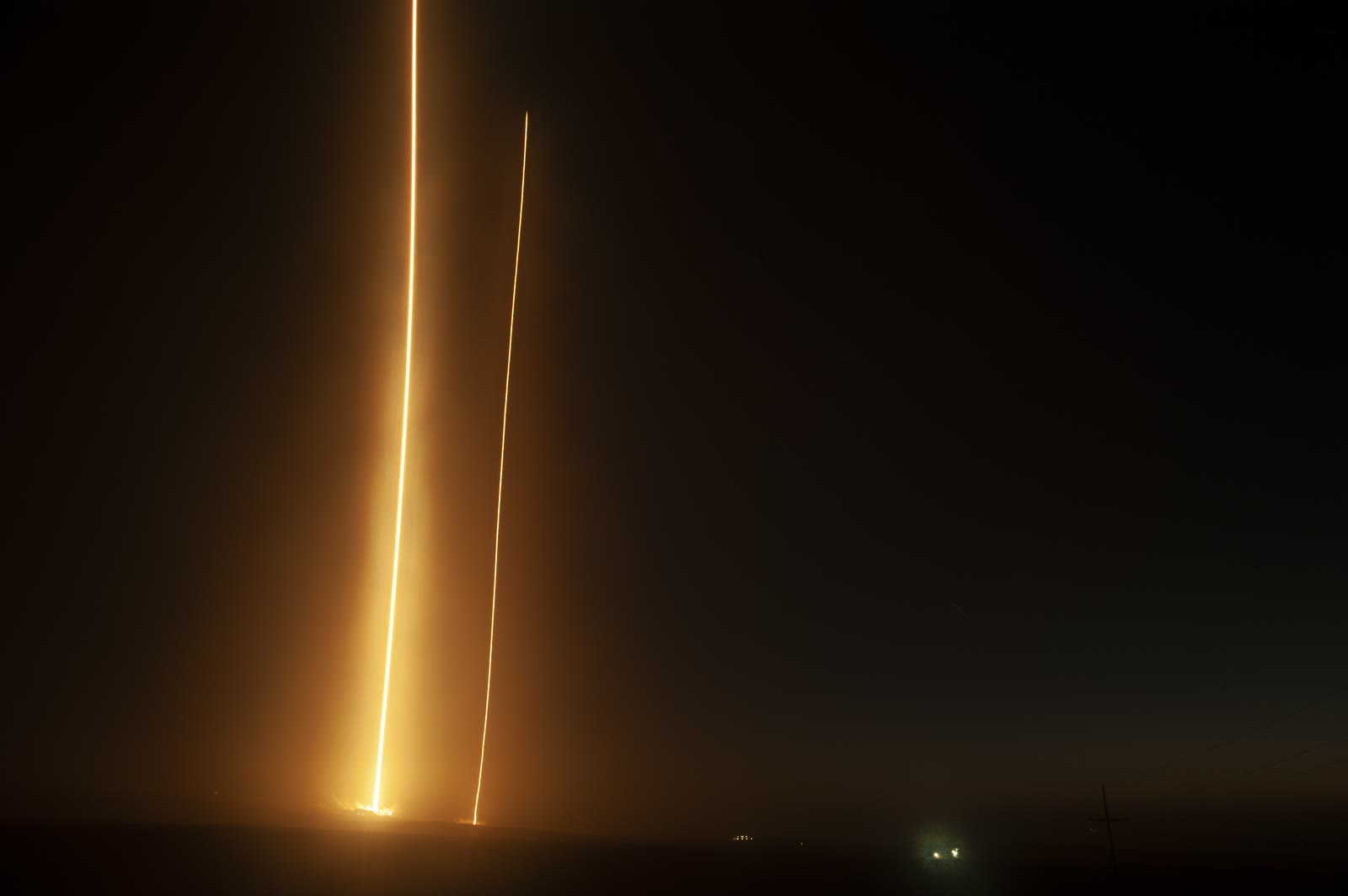
A closed orbit is an energy condition. At about 275 km, circular speed is 7.74 km/s. Starship Flight 14's insertion burn is what raised perigee out of the atmosphere.
The Legacy: Making Life Multiplanetary
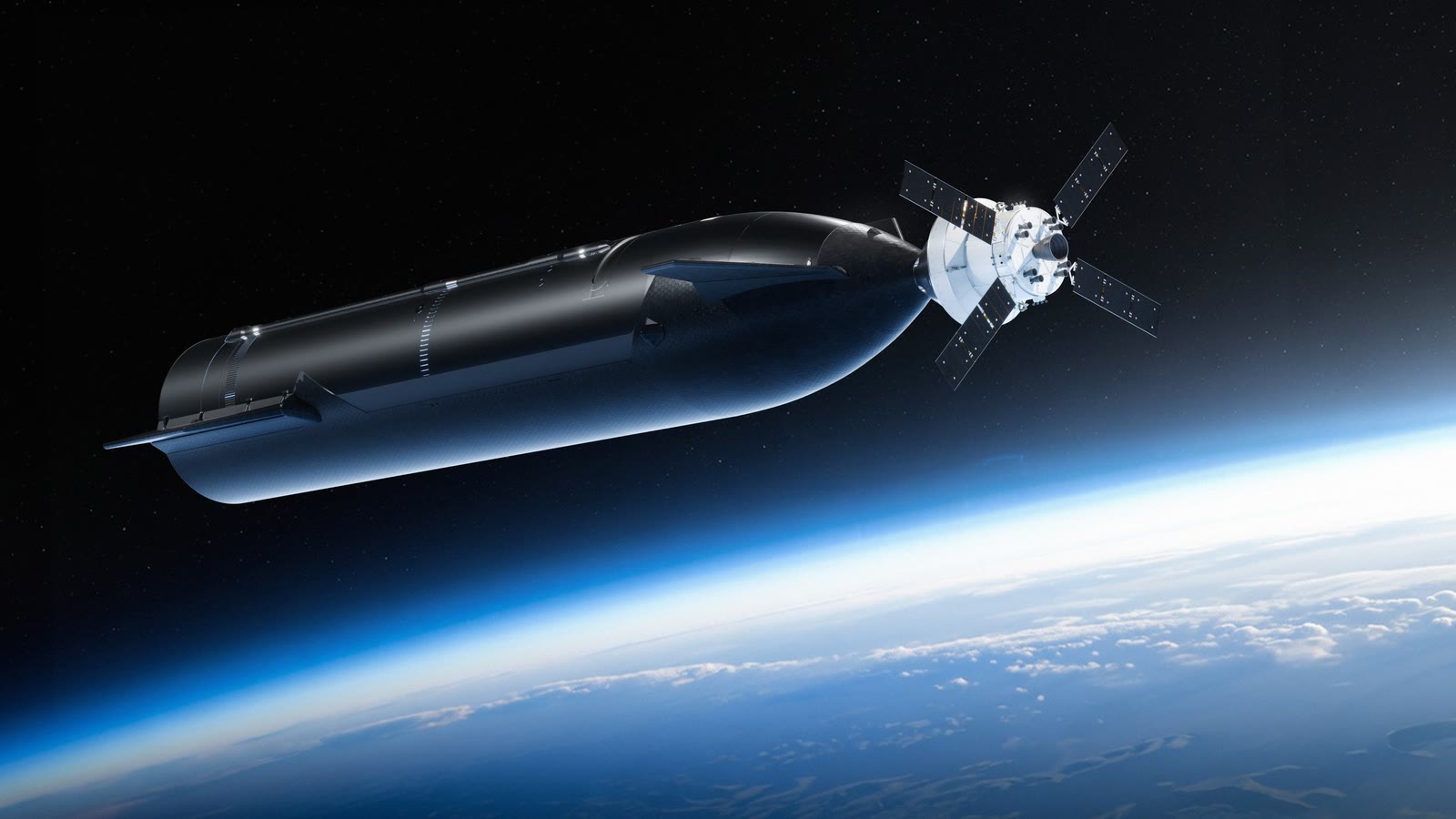
The civilizational case for becoming multiplanetary — why a self-sustaining city on Mars is the ultimate insurance policy for consciousness and the long-term future of life.
Starship: The Engineering Path to Multiplanetary Life
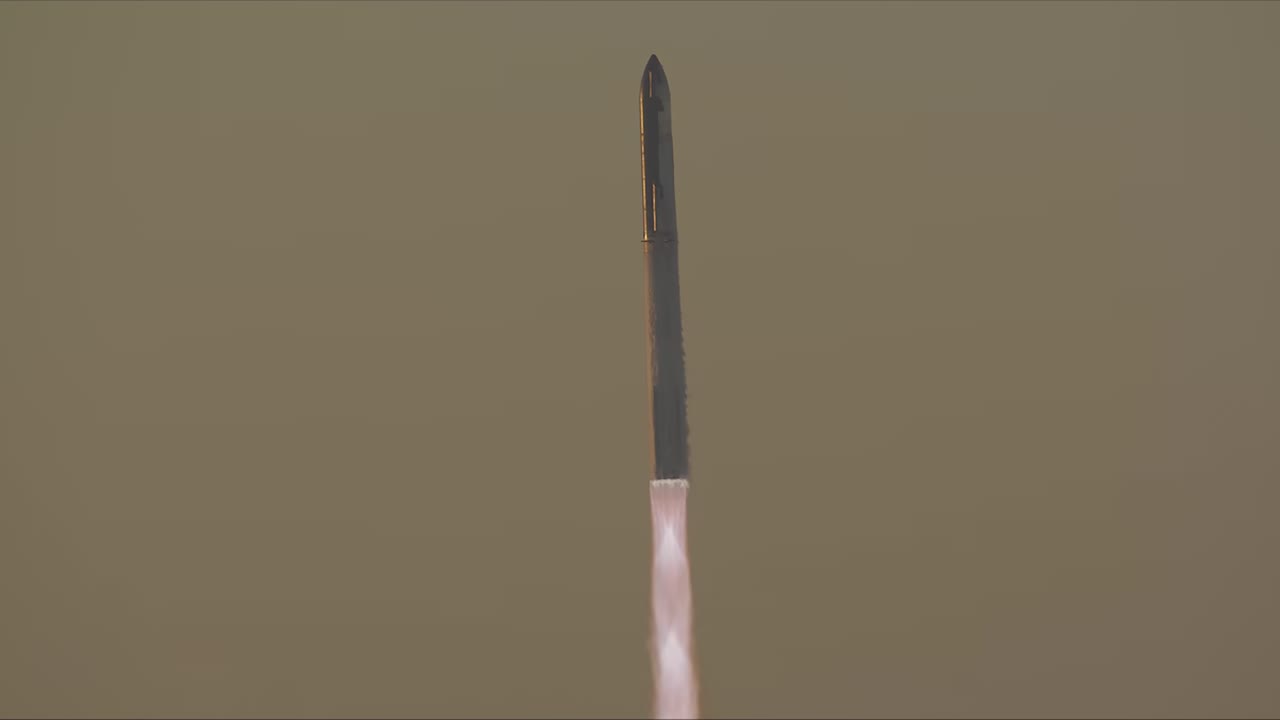
How Starship represents the largest leap in spaceflight capability since the Saturn V — and why it matters for making humanity a multiplanetary species.

Why the Two Frontiers Converge
Space and intelligence are not separate projects. Together they represent the most powerful lever humanity has ever had to ensure our long-term survival and flourishing.

xAI and Grok: Building AI to Accelerate Scientific Discovery
The origin story of xAI, the philosophy behind Grok, and why maximum truth-seeking matters more than ever as we reach for the stars.
From a 275 km circle, about 58 m/s of retrograde velocity lowers perigee to 80 km. Flight 14 confirmed that burn after about three hours in orbit, then a Pacific splashdown.
Read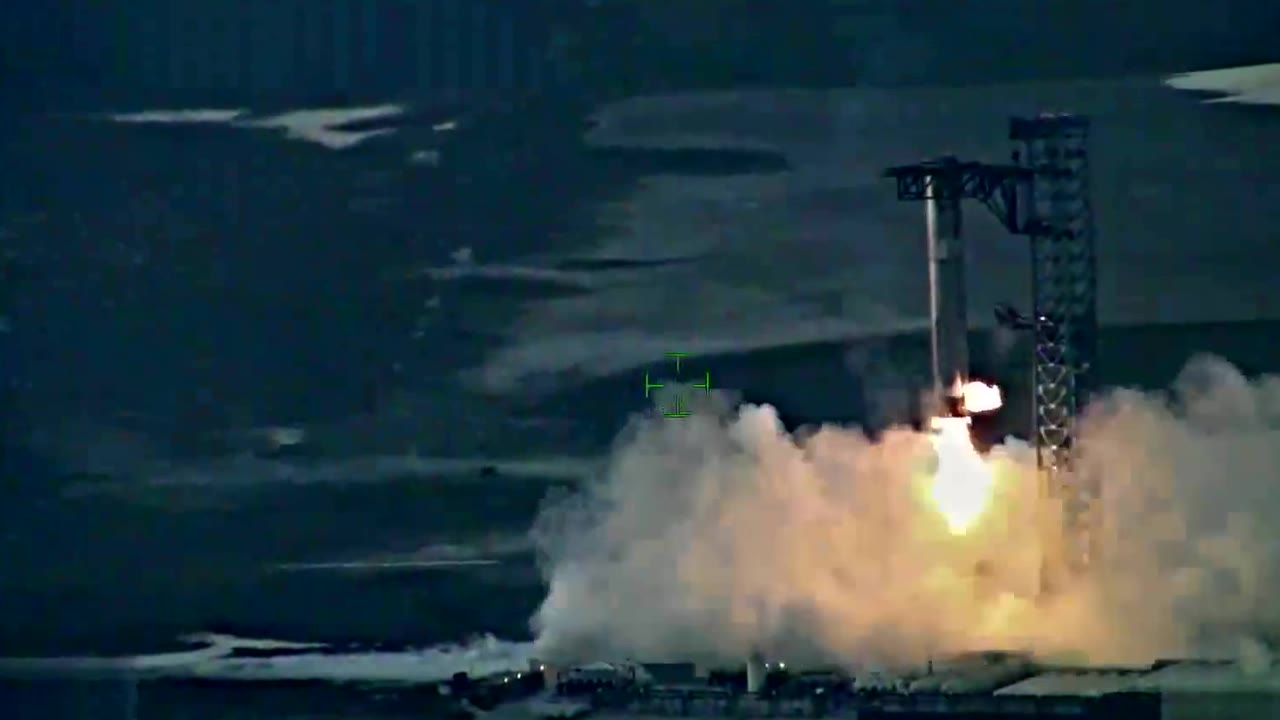
Precision control of the Super Heavy booster during high-angle-of-attack reentry and flip uses grid-fin aerodynamics and thrust vectoring; relative position/velocity kinematics enable mechanical catch by the launch tower for full reusability.
Read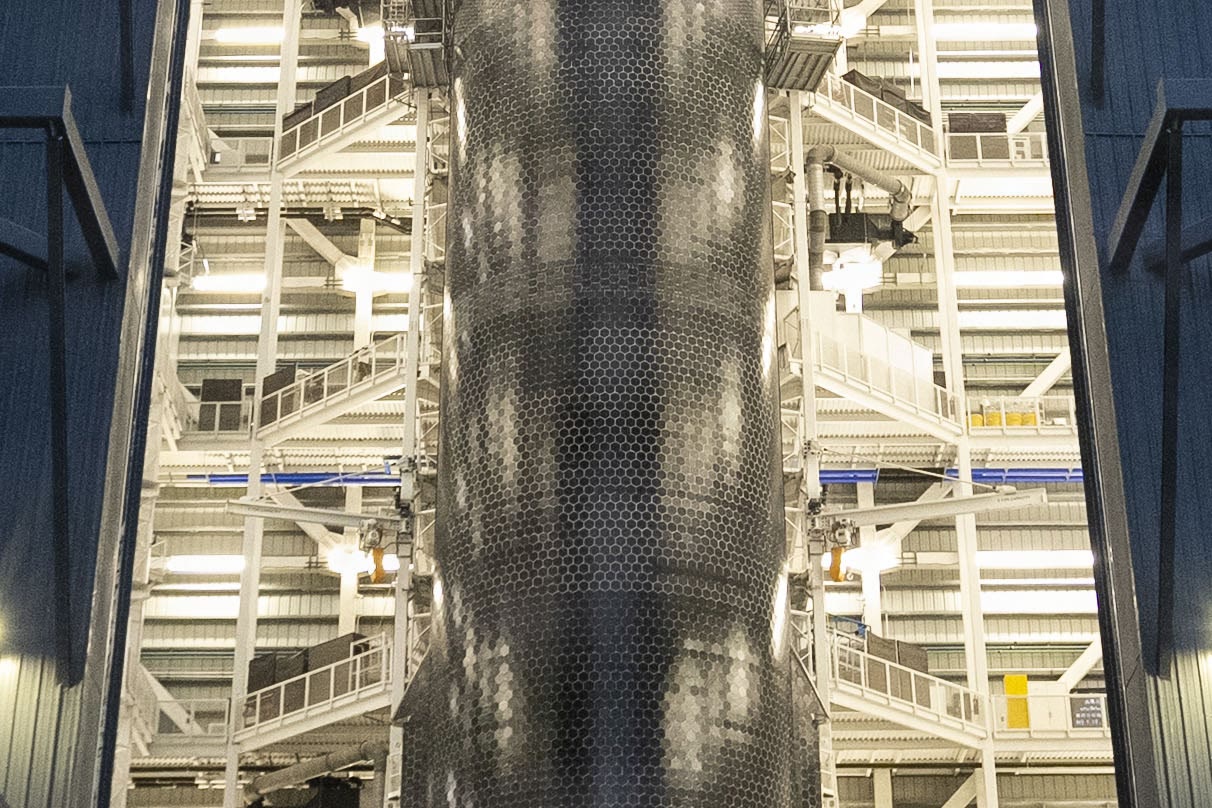
In zero-g, cryogenic liquids are managed by surface tension, settling burns, and ullage motors; conservation principles enable efficient transfer between Starships to achieve the propellant mass for deep-space missions.
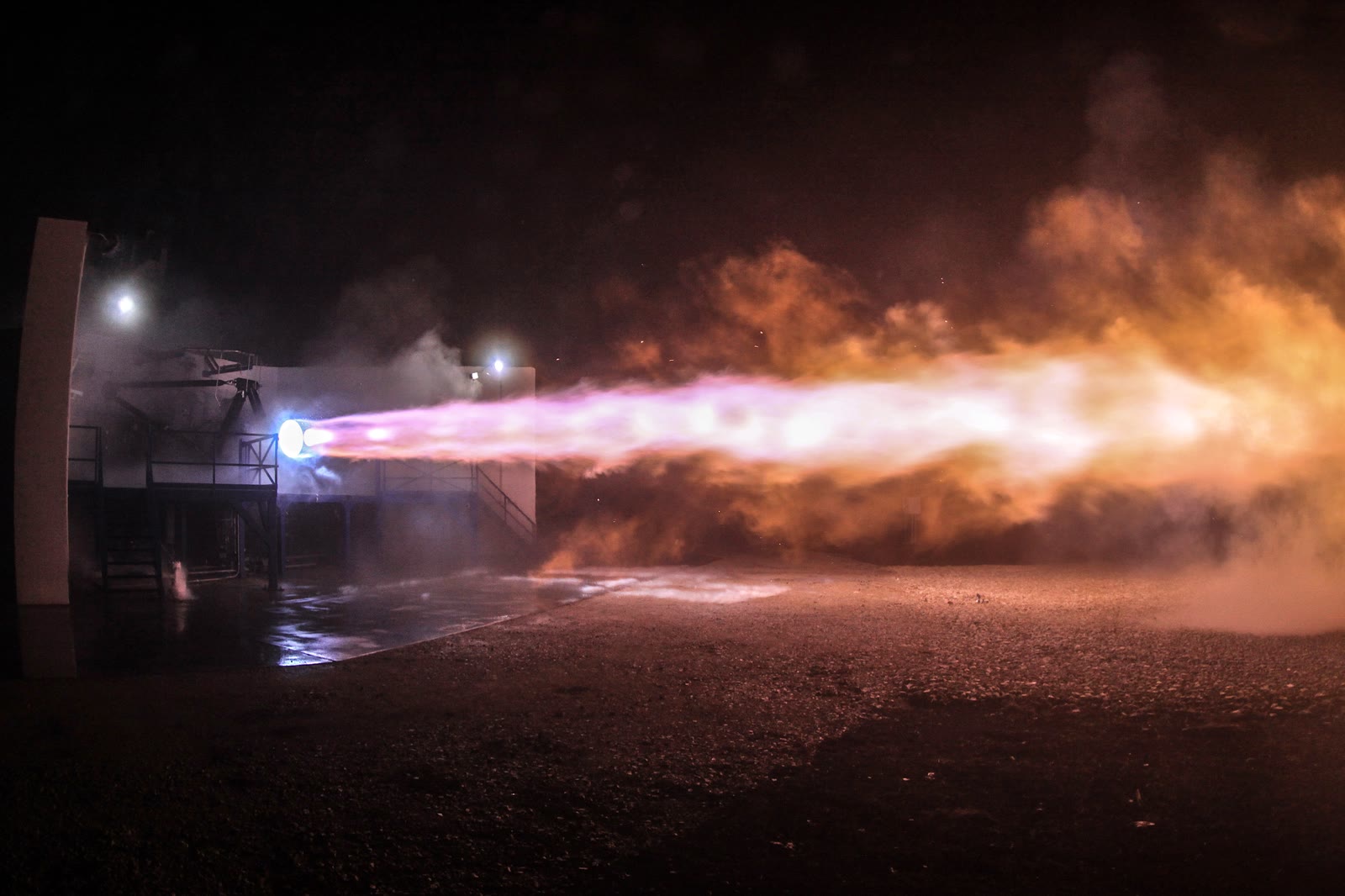
ReadThe full-flow staged combustion cycle in Raptor engines maximizes specific impulse and thrust through complete propellant pre-burning, enabling the high performance margins required for Starship's rapid full reusability at scale.
Read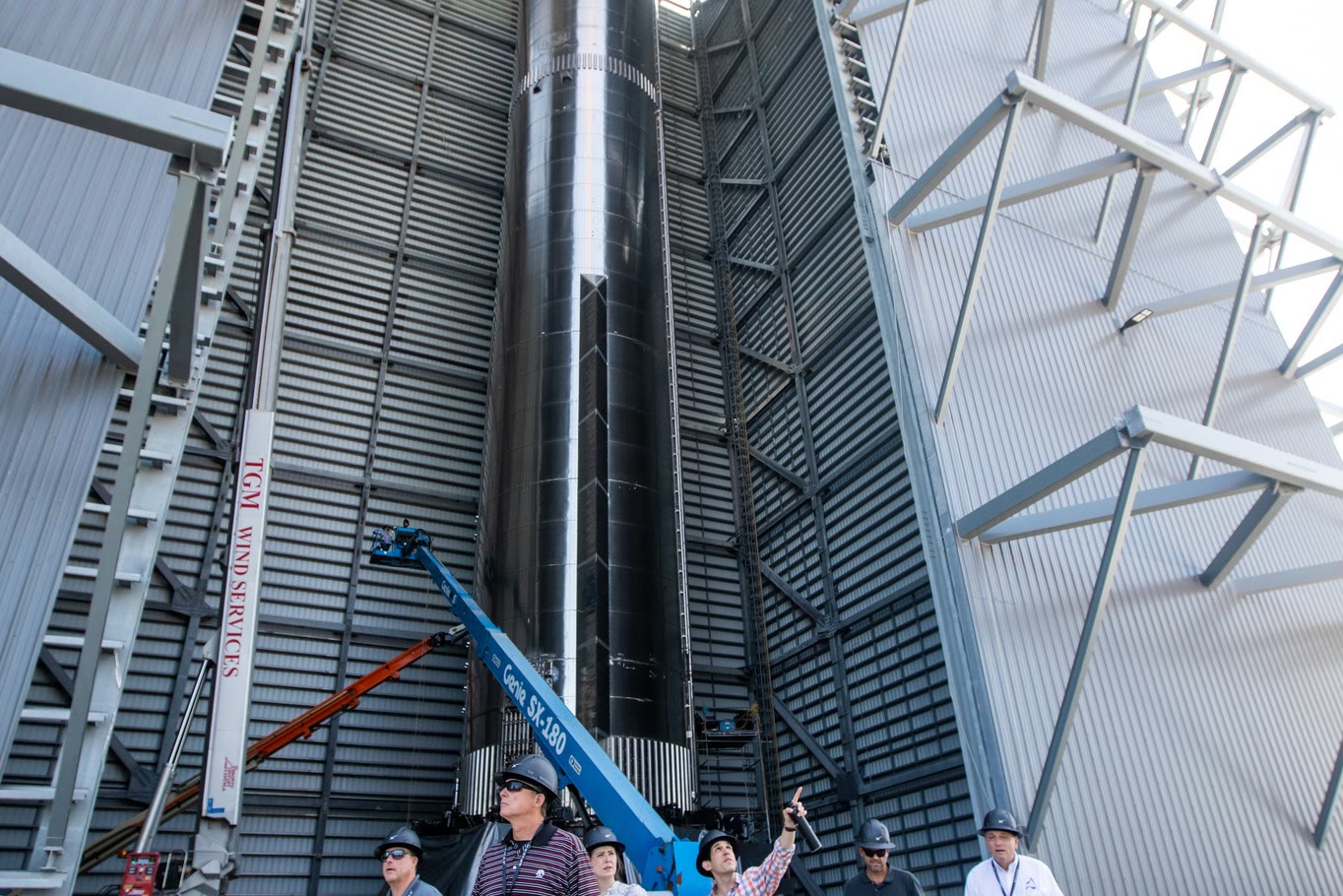
At Starship masses, the exponential nature of the rocket equation means small improvements in structural fraction or Isp provide large gains; recovery Δv for catch is an overhead that must be minimized to preserve payload for full reusability.
Read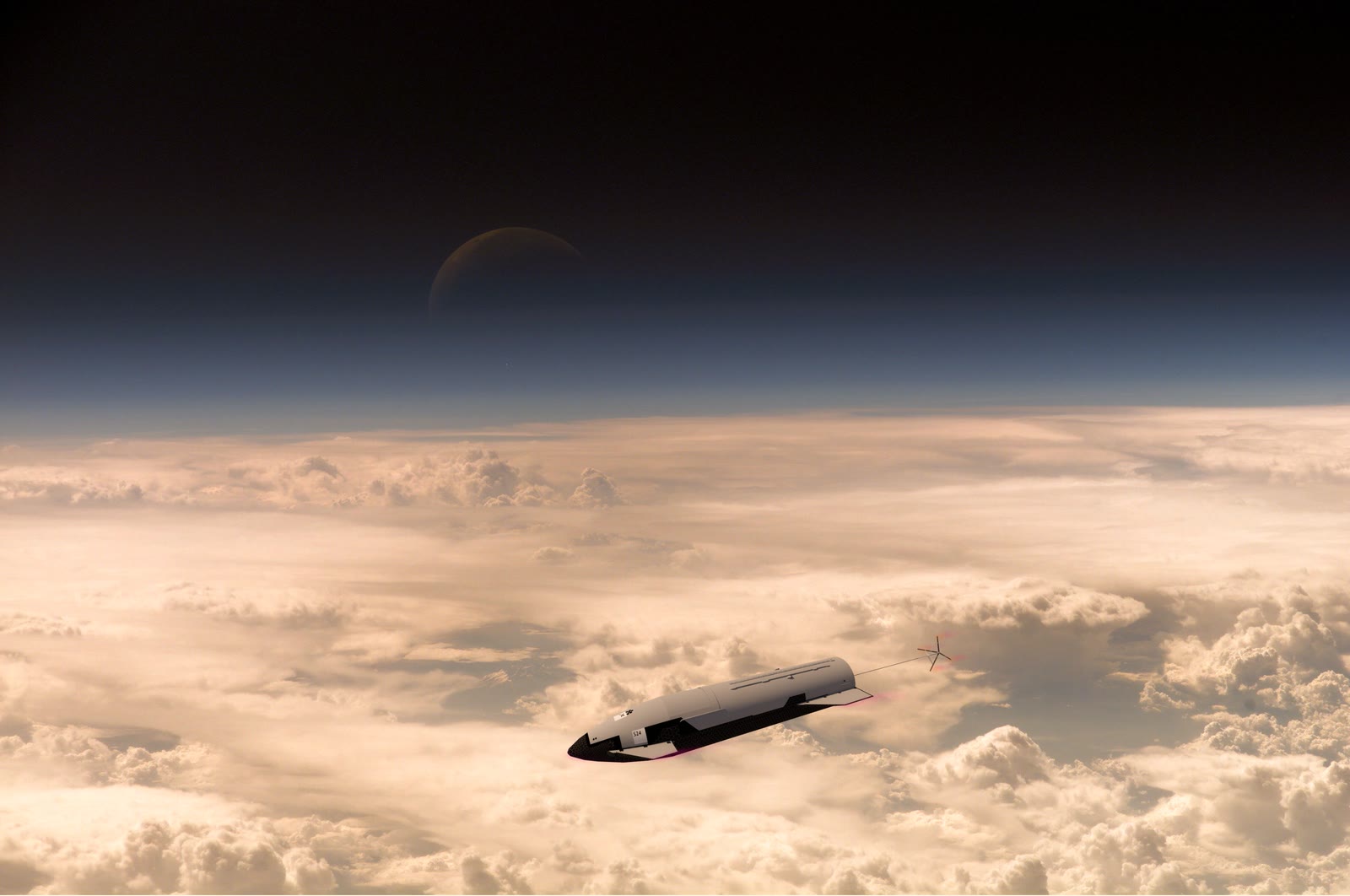
Convective and radiative heat flux during atmospheric reentry scales with the cube of velocity and density; Starship's tiled heat shield manages this to enable full reusability after orbital and interplanetary returns.
Read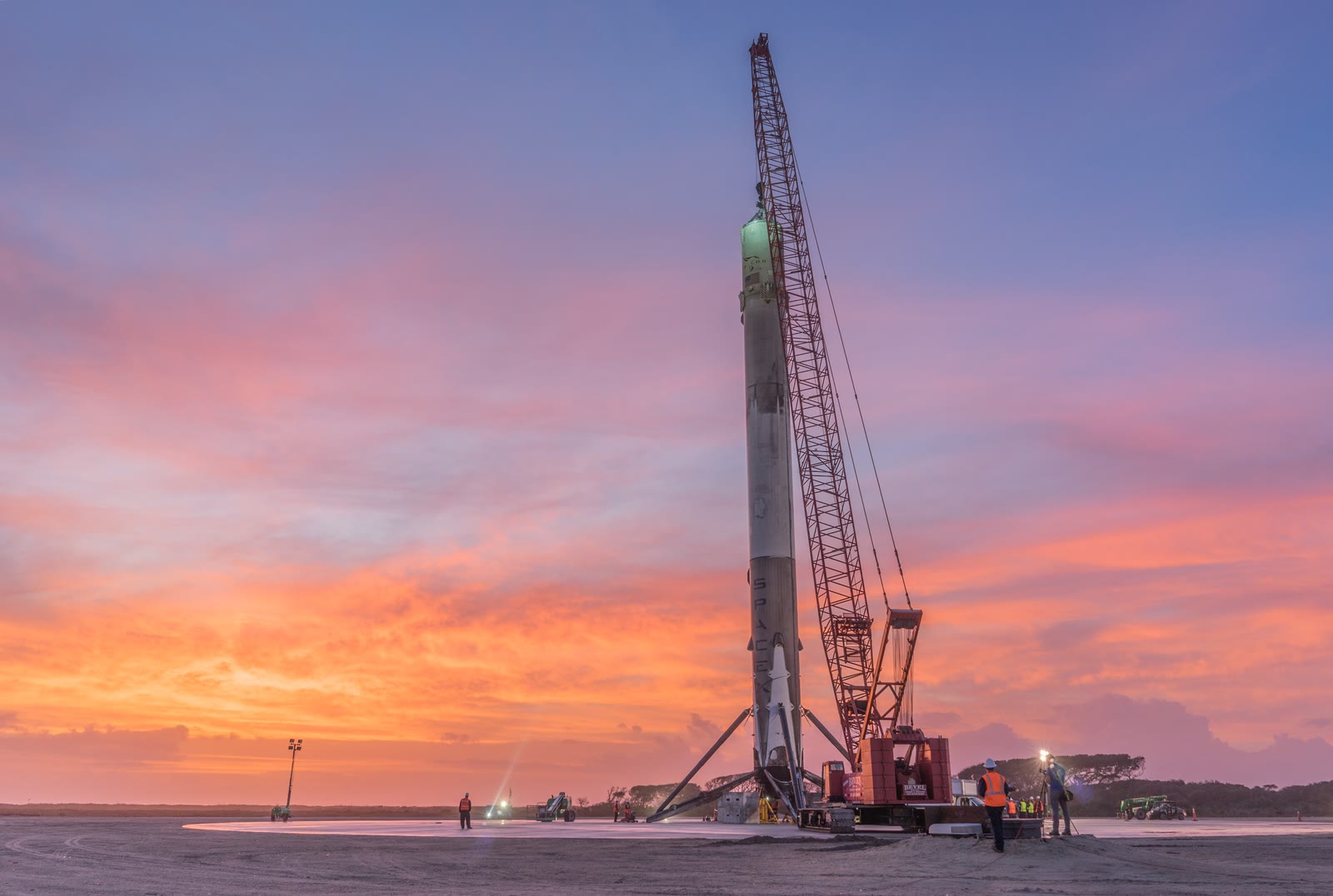
The Tsiolkovsky rocket equation reveals why recovering and reusing the Falcon 9 first stage produces order-of-magnitude gains in delivered payload per unit of propellant and cost.
Read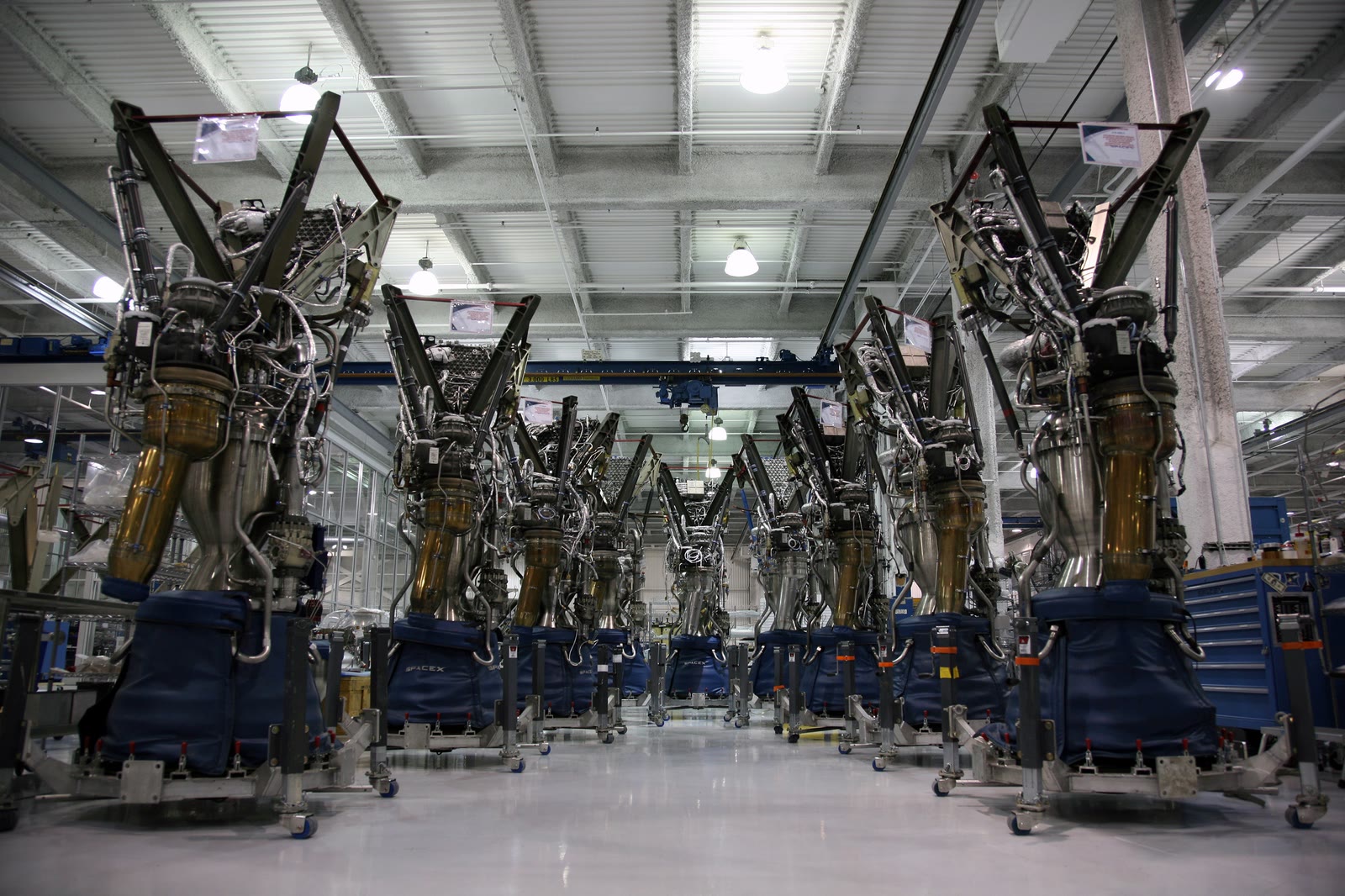
How the discipline of reasoning from fundamental truths — rather than analogy or tradition — powers the engineering culture at both SpaceX and xAI.
Read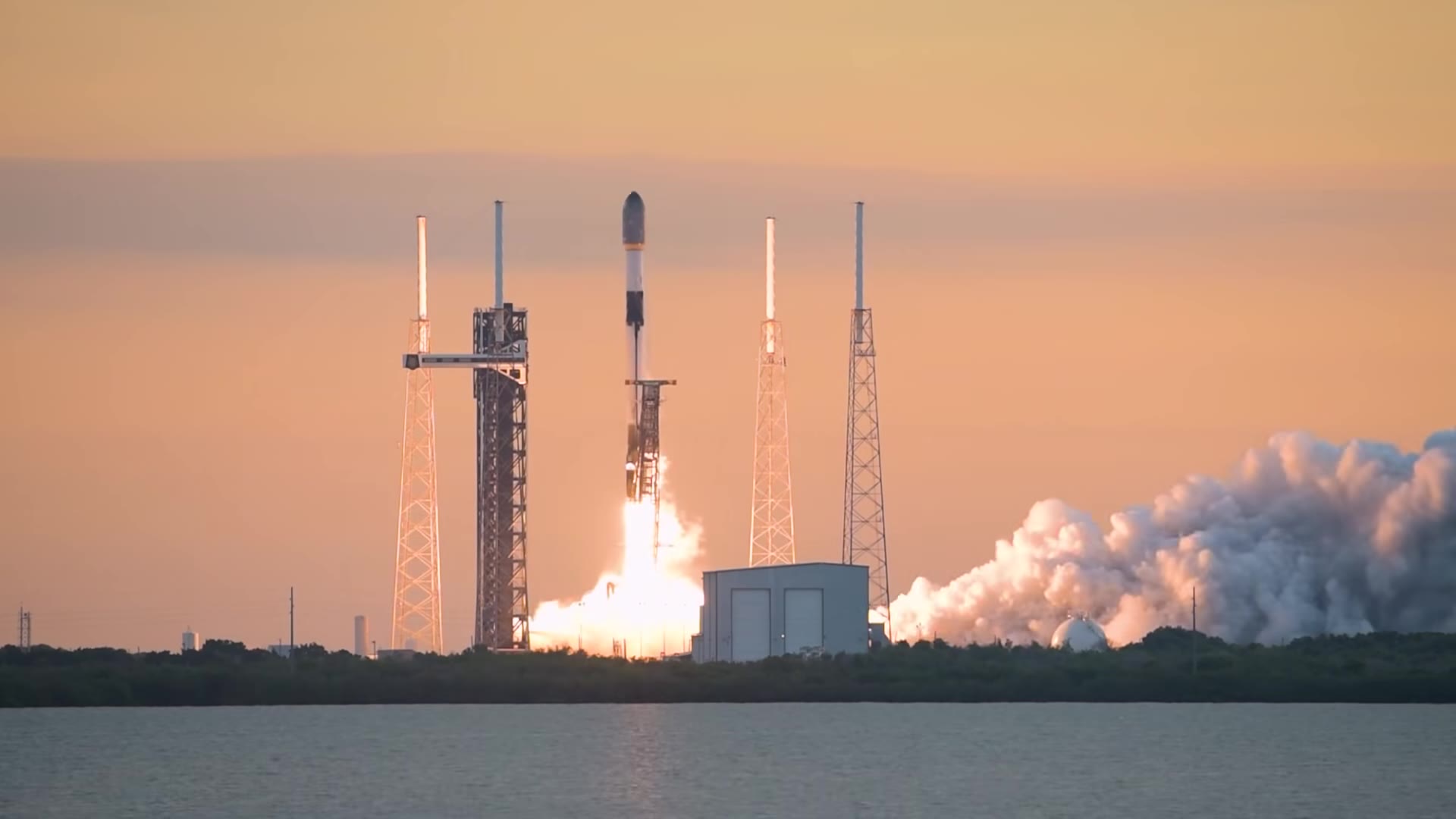
How the largest commercial satellite constellation in history is delivering global broadband, enabling new economies, and supporting the infrastructure of exploration itself.
Read
xAI's Memphis Supercluster represents one of the largest concentrations of AI training compute ever assembled. Scale is not the goal — it is the necessary precondition for the mission.
Read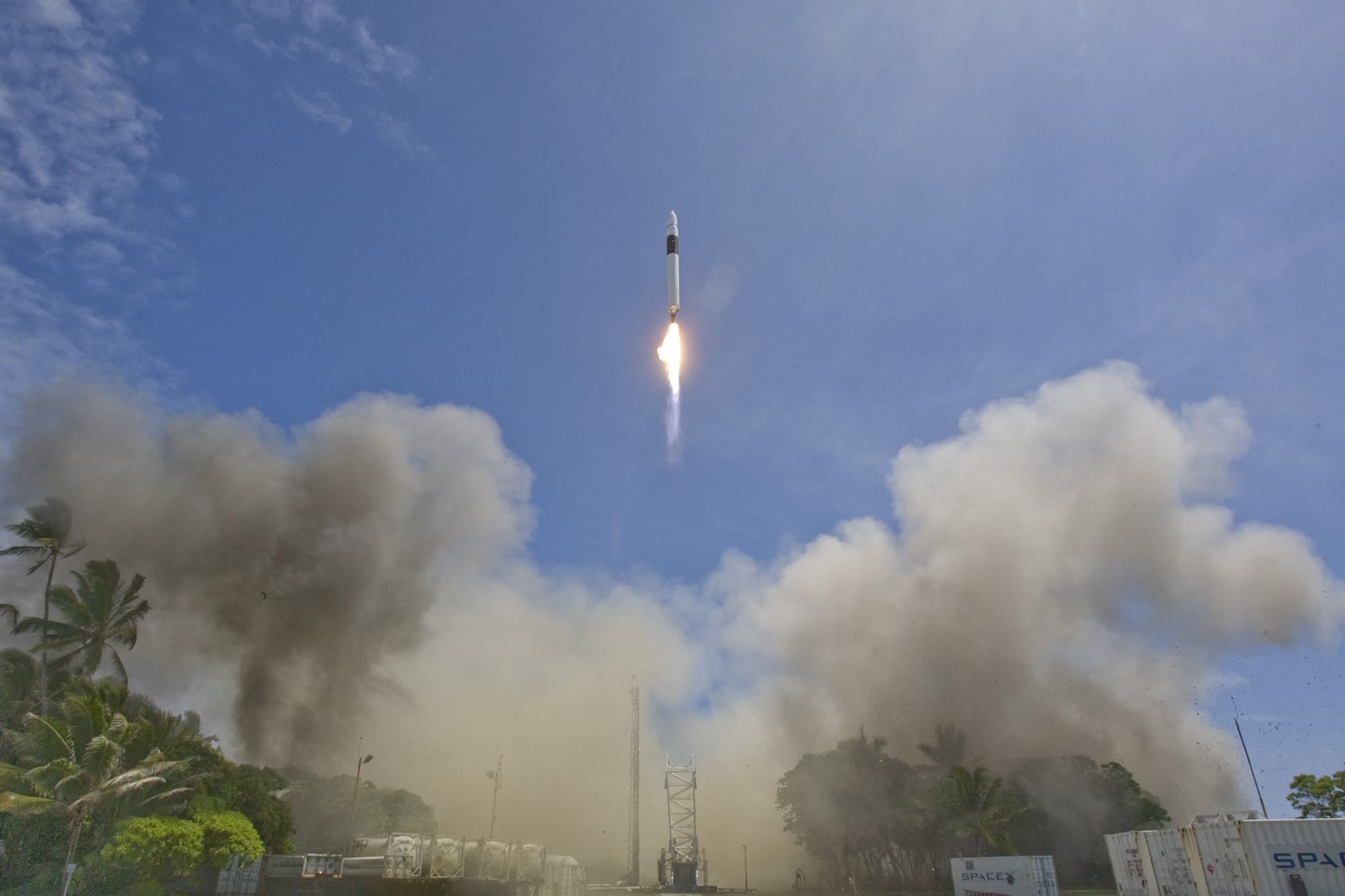
The through-line from the first Falcon 1 success to today's Starship program is not different vehicles — it is the same engineering culture applied at increasing scale.
Read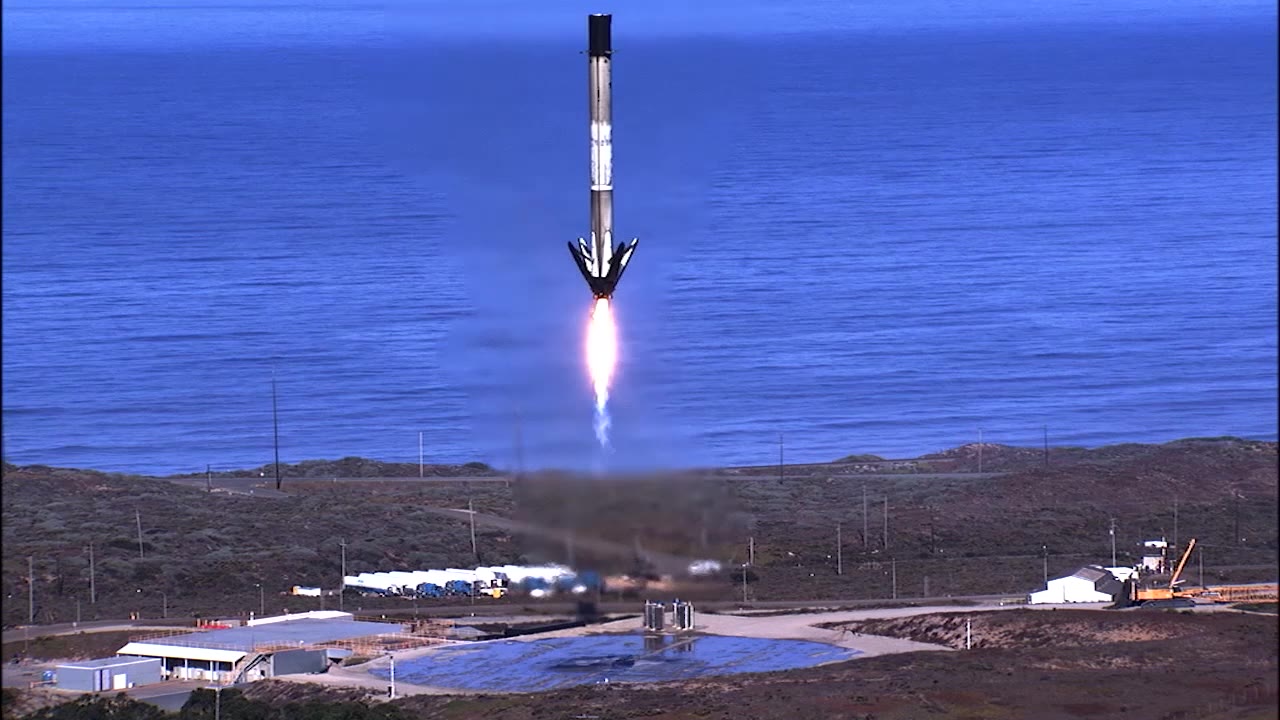
How Falcon 9's first-stage landings transformed the economics of access to space and made everything that followed — Starlink, Starship, Artemis — possible.
ReadCurated milestones, new explainers, and the civilizational case — straight to your inbox.