The Two Frontiers Timeline
The definitive, sourced chronicle of SpaceX's mission to make life multiplanetary and xAI's pursuit to understand the true nature of the universe. Official footage, precise engineering milestones, and the convergence that will shape humanity's future.
SpaceX Founded
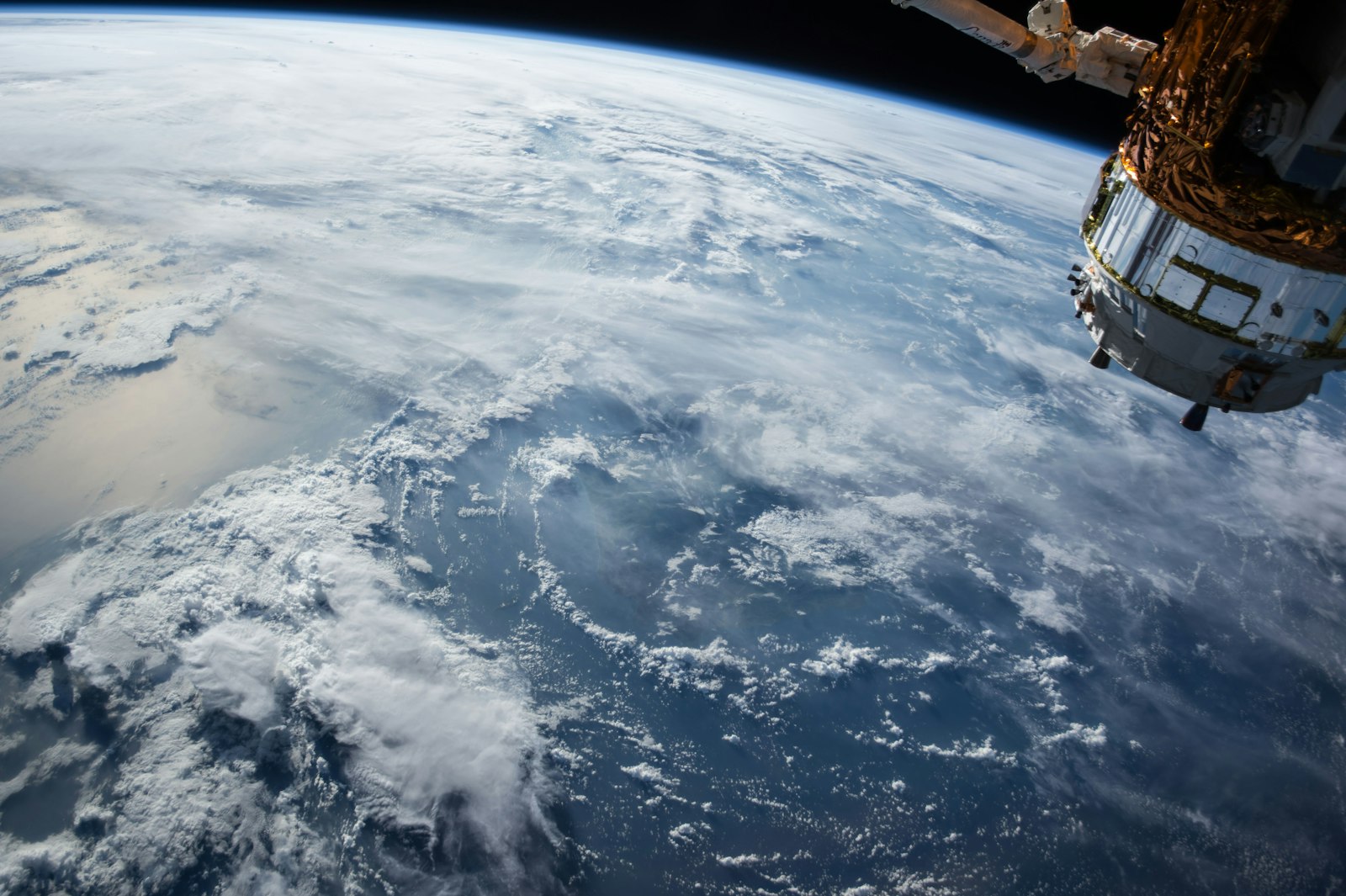
Elon Musk founds SpaceX in El Segundo, California as Space Exploration Technologies Corp. Goal: reduce space launch costs by a factor of 10+ to enable a self-sustaining city on Mars. Inspired by Mars Society work, frustration with high costs of existing providers, and belief in first-principles engineering + software-like iteration. Early team: recruited from TRW, Boeing, etc. (Tom Mueller for engines, Gwynne Shotwell later President/COO). Falcon 1: small expendable two-stage liquid rocket (Merlin engines). Total dev cost ~$90–100M (internal funding).
NASA COTS Partnership Awarded
2006: NASA COTS (Commercial Orbital Transportation Services) award (~$278M initial for demos; led to larger CRS). Public-private partnership model that proved commercial providers could reliably service government needs at lower cost/higher cadence.
Falcon 1: Three Failures & Near-Death Pressure
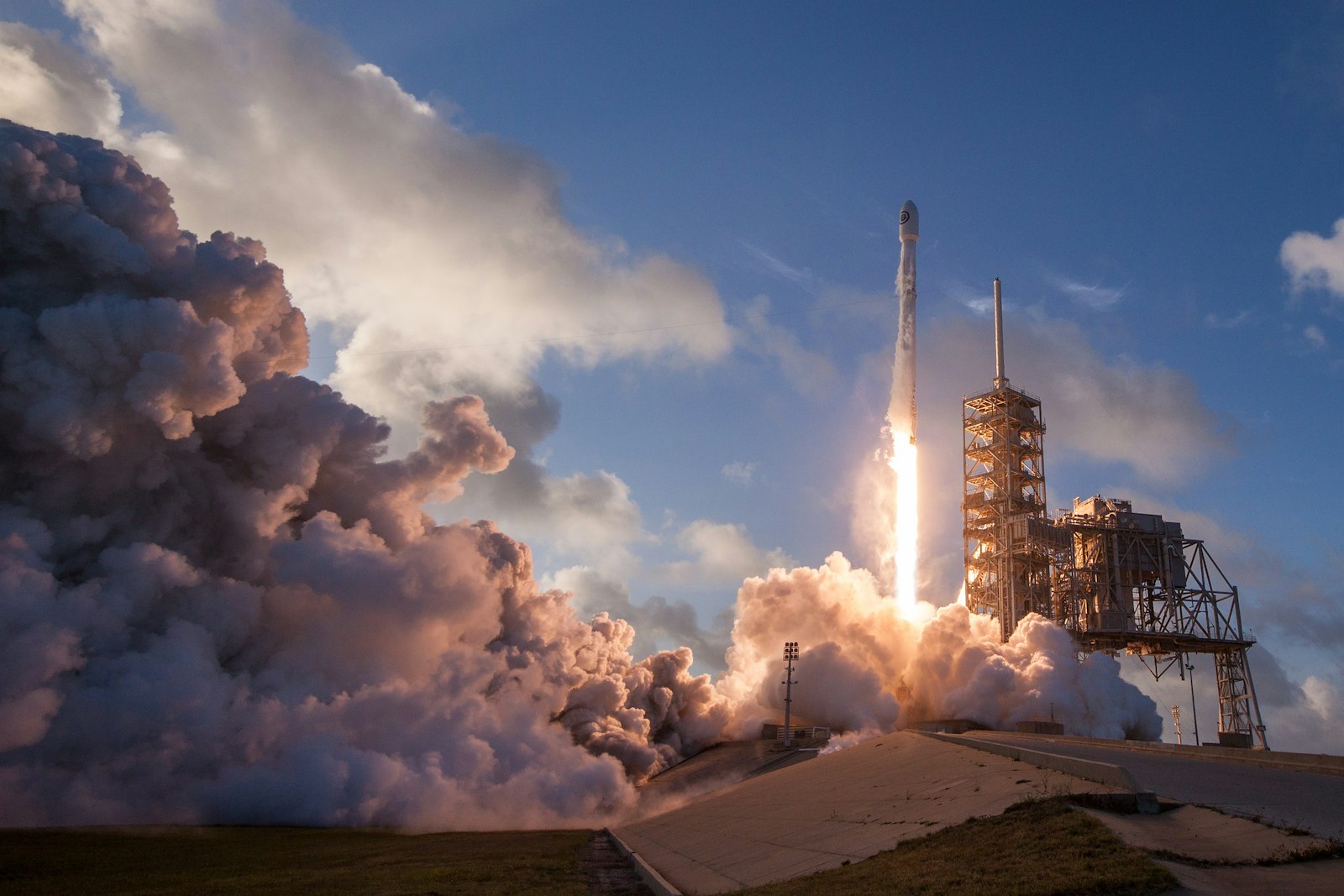
Falcon 1 (small expendable two-stage liquid rocket, Merlin engines). Three failures (common for new orbital rockets). Near-company-ending pressure coincided with Tesla near-bankruptcy. Musk split remaining personal funds between the two companies.
Falcon 1 Success — First Private Liquid-Fueled Orbital Rocket
First successful orbital flight of a privately funded, fully liquid-fueled rocket. First private company to reach orbit. Pivotal — saved the company and unlocked NASA confidence. Total dev cost ~$90–100M internal.
First Falcon 9 Launch + Dragon Qualification
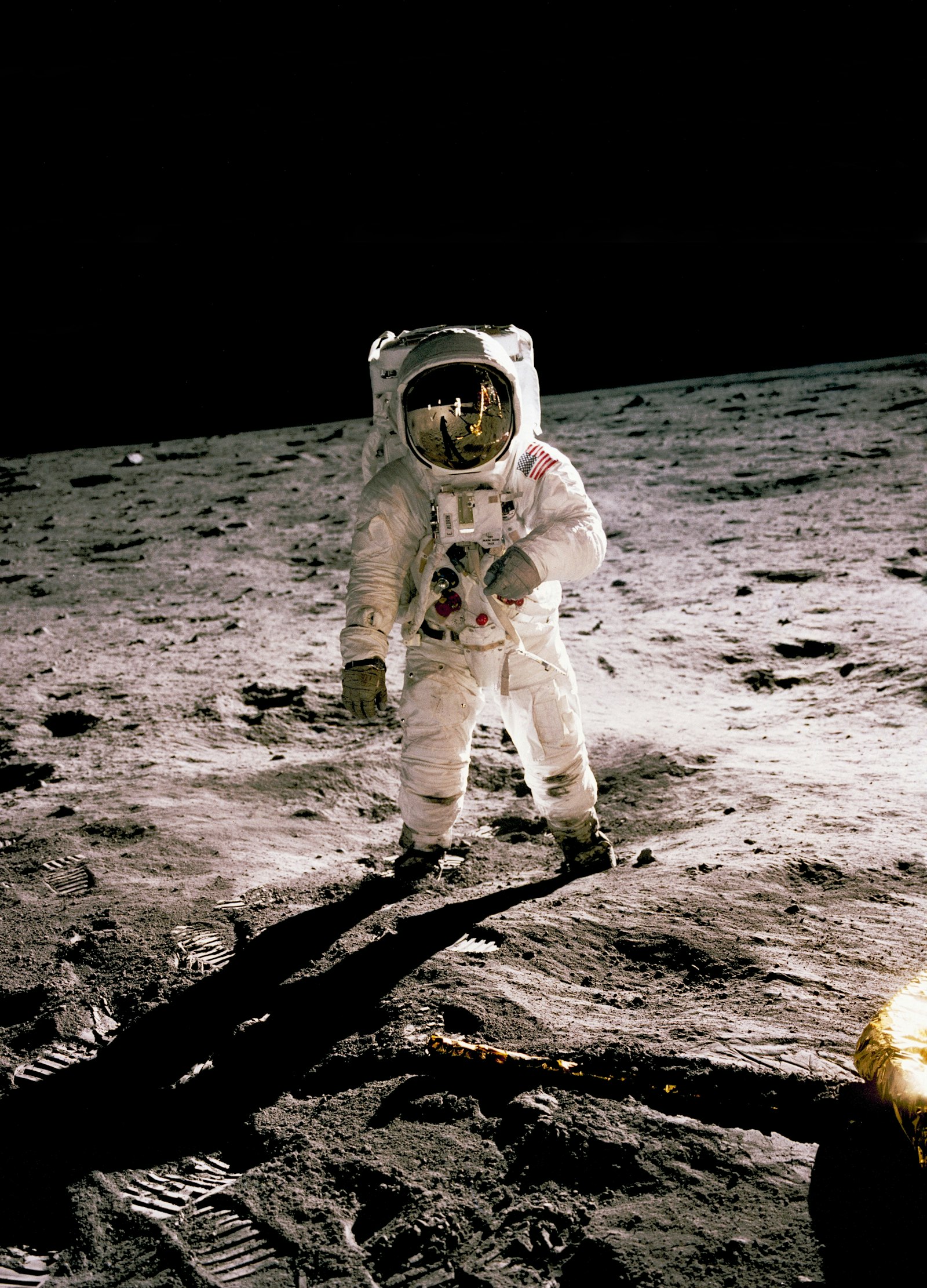
First Falcon 9 launch + Dragon qualification. Dragon becomes first private spacecraft to orbit and be recovered.
Dragon First Commercial Spacecraft to Berth with ISS
Dragon C2+ / CRS-1 — first commercial spacecraft to berth with the International Space Station. Regular resupply under CRS contracts followed (Dragon 1 flew dozens of missions until retirement). Significance: public-private partnership model proved commercial providers could reliably service government needs at lower cost/higher cadence.
First Falcon 9 Booster Landing — Reusability Revolution Begins
Falcon 9 Flight 20 — first successful propulsive landing of an orbital-class rocket booster (Landing Zone 1, Cape Canaveral). 'The beginning of the end for expendable rockets.' Rapid iteration on grid fins, landing legs, entry/landing burns followed.
First Droneship Landing — Of Course I Still Love You
First droneship landing (*Of Course I Still Love You*). Rapid iteration on grid fins, landing legs, entry/landing burns. Proved precision recovery at sea, unlocking global launch flexibility.
First Re-flight of a Previously Flown Orbital Rocket
First reflight of a previously flown orbital rocket (SES-10). Reused booster landed again. Demonstrated true reusability economics in practice.
Falcon Heavy Debut — 'Starman' Enters Solar Orbit
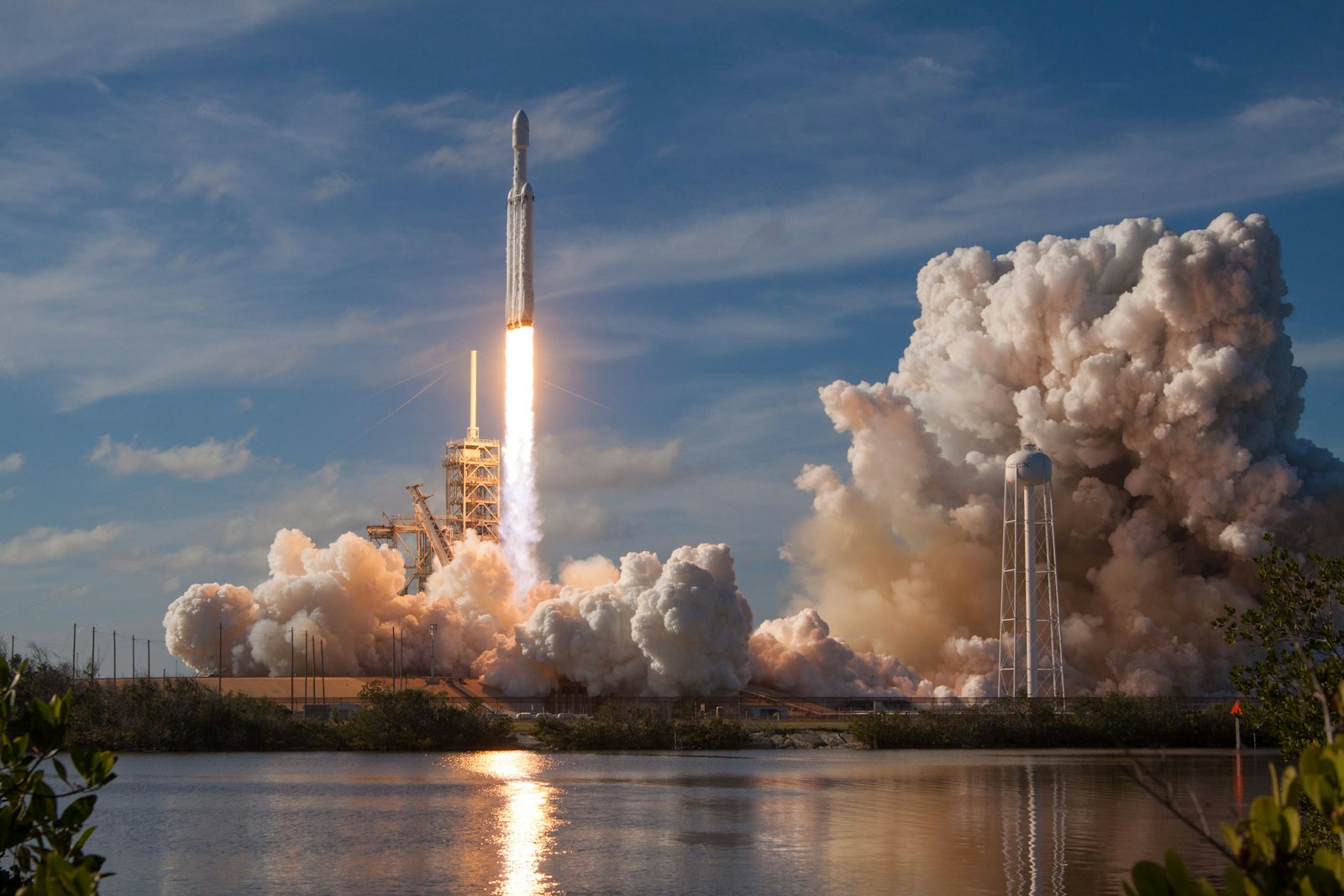
Falcon Heavy debut — most powerful operational rocket at the time. 'Starman' Tesla Roadster payload. Three Falcon 9 cores (center core attempted droneship recovery).
Starlink v0.9 — Start of the Mega-Constellation
60 Starlink satellites deployed — the start of the largest commercial satellite constellation. Announced ~2015. Goal: global high-speed broadband, especially underserved/rural areas. Low-Earth orbit (LEO) mega-constellation. First operational satellites ~2019. Explosive growth: thousands launched primarily on Falcon 9 (now transitioning some to Starship V3).
Crew Dragon Demo-2 — First Crewed Launch from US Soil Since Shuttle
Crew Dragon with NASA astronauts Doug Hurley and Bob Behnken — first crewed orbital launch from US soil since Space Shuttle retirement (2011). Docking and return successful. Restored US crew access to ISS. Regular NASA Crew rotations (Crew-1 onward). Private missions: Inspiration4 (2021, all-civilian), Polaris Dawn, Axiom, etc. Dragon 2: Human-rated, autonomous docking, trunk for cargo/science.
Starship Prototype High-Altitude Test Flights
SN8–SN15 high-altitude test flights demonstrate controlled flip, bellyflop, and landing burns. The birth of the fully reusable super-heavy lift vehicle. Successor to earlier BFR/ITS concepts. Fully reusable two-stage vehicle: Super Heavy booster (33 Raptor engines) + Starship upper stage (6 Raptors, heat shield for reentry). Designed for 100+ tonnes to LEO reusable, massive payload for Mars (refueling in orbit, in-situ resource utilization).

Starship IFT-1 — First Integrated Flight Test
IFT-1 (Apr 2023): First integrated launch of Super Heavy booster + Starship upper stage from Starbase, Texas. Successful liftoff, data-rich RUD — rapid unscheduled disassembly — but validated many systems. Development cadence: prototypes (SN series) 2020–2022 with hop tests. Integrated Flight Test (IFT) series begins. Challenges overcome: pad explosions, tile heat shield iterations, engine reliability, regulatory (FAA licenses), environmental consultations.
xAI Publicly Announced — 'Understand the True Nature of the Universe'
Elon Musk announces xAI (incorporated March 2023). Public announcement (date 7/12/23 = 42, reference to Hitchhiker's Guide to the Galaxy 'answer to life, the universe, and everything'). Mission statement: 'to understand the true nature of the universe.' Elon: 'What the hell is really going on?' Focus on curiosity-driven, maximum truth-seeking AI rather than consumer engagement or narrow alignment/safetyism. Name: 'Grok' from Heinlein's Stranger in a Strange Land — deep, intuitive understanding ('I grok'). Contrast with prior OpenAI involvement (co-founder, left 2018 over direction) and concerns about 'politically correct' training. Philosophy: Truth over comfort; scientific discovery focus; real-world utility (e.g., real-time knowledge from X). Initial ~12 co-founders (top researchers from DeepMind, OpenAI, etc.).
Grok-1 — 314B MoE + Open-Weights Release
Grok-1 (Nov 2023 preview; full access 2024): 314B parameter Mixture-of-Experts (MoE). Early beta. Open-weights release March 2024 (GitHub, JAX code + weights, Apache 2.0). 'Best we could do with 2 months of training.' Rapid development enabled by Colossus-scale compute in later models. Access: Primarily via X (Premium+), grok.com / apps, API.
Grok-1.5 & Grok-1.5 Vision — Multimodal Reasoning
Grok-1.5 (May 2024): Improved reasoning, 128k context. Grok-1.5 Vision (multimodal: images, diagrams, screenshots, photos).
Grok-2 — Performance, Reasoning & Image Generation
Grok-2 (Aug 2024): Major upgrades in performance/reasoning. Image generation (Flux integration initially, later Aurora by xAI). Strong balance of quality/speed. Vision capabilities expanded. Fast iteration cadence continues.
Colossus Supercluster — 100k H100s Online in Record Time
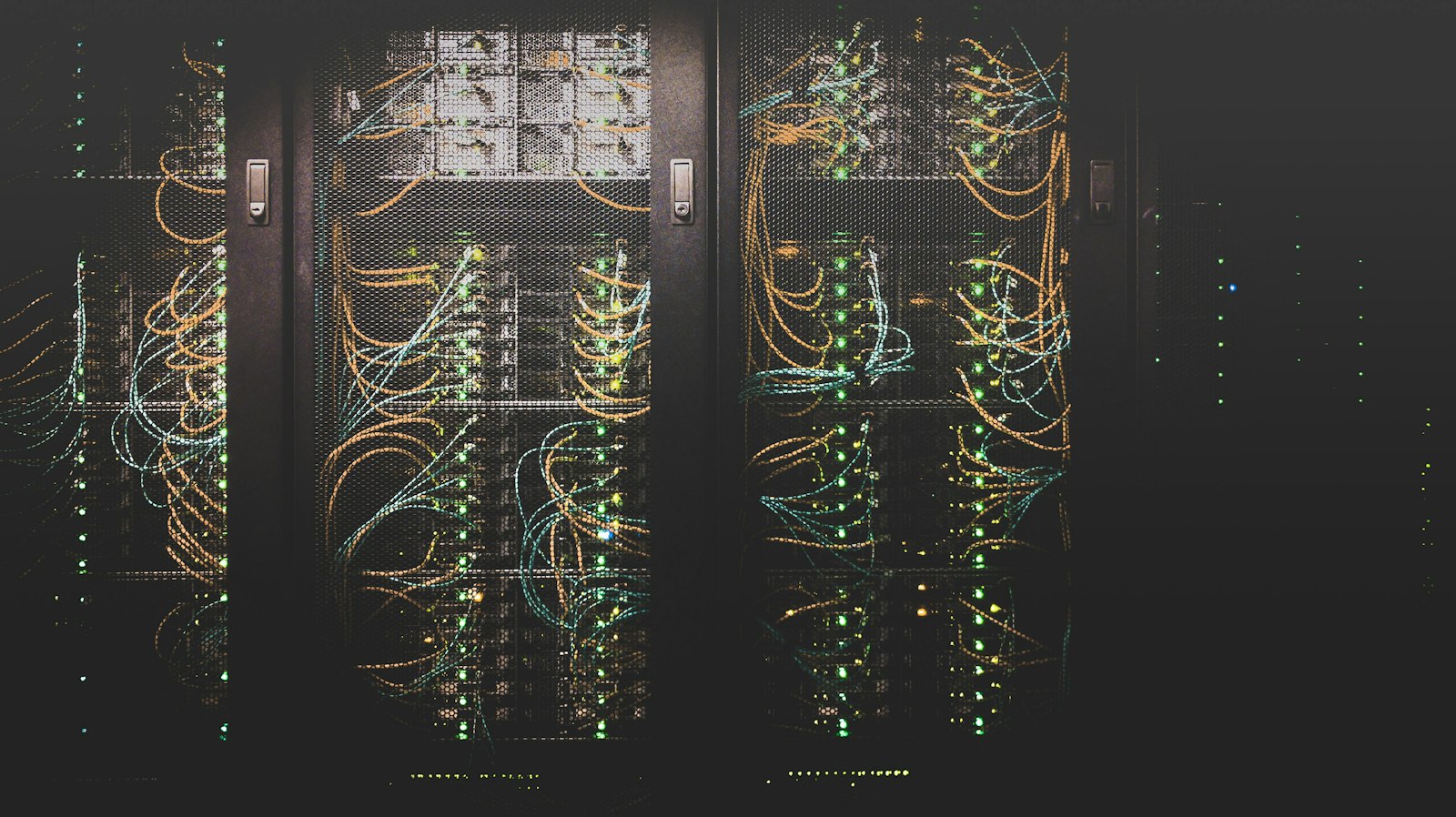
xAI brings the world's largest AI training cluster online in Memphis, Tennessee (former Electrolux factory site, South Memphis; multiple buildings/warehouses acquired). Groundbreak ~May 2024. Operational with 100,000 NVIDIA H100 GPUs (liquid-cooled) in 122 days (Sept 2024 unveiling) — 'we were told 24 months.' Initial: gas turbines + Tesla Megapack battery storage. Cooling: massive air-cooled chillers. Purpose: Primary training cluster for Grok models. Enables frontier-scale experiments and fast iteration. Philosophy of build: question everything, vertical integration where possible, extreme speed (xAI team handled much directly).
Starship IFT-5 — Historic First Booster Catch by 'Chopsticks'
The Super Heavy booster is successfully caught by the launch tower 'chopsticks' on the first attempt. A historic moment in reusable rocketry. IFT-5 (Oct 13, 2024) — first successful Super Heavy booster catch by 'chopstick' arms on launch tower (Mechazilla). Hot staging demonstrated, stage separation improvements, engine relights, controlled reentries in prior flights. Subsequent 2025+ flights: reused boosters, higher AoA descents, deterministic flip, payload deploy demos (mock Starlink), V3 iterations. By mid-2026: ~12 integrated flights, multiple catches achieved. Starbase, TX primary (OLP-1 tower).
Grok-3 — Flagship Leap on ~200k-GPU Colossus
Grok-3 (Feb 17, 2025): Flagship leap. Trained with ~10x compute of predecessor on Colossus (~200k GPUs at time). Outperformed or competed with leading models on math/science benchmarks (AIME, GPQA). 'Think mode' / reasoning (step-by-step like o-series). DeepSearch (web + X). Mini variant for speed. Daily improvements noted. API access. Grok-4 series (2025 onward): Grok 4 / 4 Heavy (July 2025) — further scaling, multi-agent. Grok 4.1 (Nov 2025) — reasoning, multimodal, reduced hallucinations, emotional intelligence. Grok 4.20 / 4.3 updates (late 2025–2026) with agentic/tool-calling, coding focus (Grok Build, Grok Code Fast). Fast variants for enterprise. Grok 5 teased at massive scale (trillions params roadmap).
Starship 2025+ — Rapid Cadence, Reused Boosters, Multiple Catches, V3
2025 flights (e.g., Flight 5 report, Flight 8, 9, 10+): Reused boosters, higher angle-of-attack descents, deterministic flip, payload deploy demos (mock Starlink), V3 vehicle iterations with upgraded cameras/Starlink comms for 4K streaming. Multiple catches achieved. Rapid iteration: 'Fly, learn, repeat.' Leading into 2026: ~12 integrated flights targeted with booster recovery/catch and Starship reentry/landing burn demos. NASA Artemis HLS milestones met (life support, legs, docking sims, etc.). Plans: uncrewed Mars cargo first, crewed lunar, point-to-point Earth transport. Current (2026) launch cadence 1–3+ per week overall.
Starship Flight 12 — First V3 Vehicles, Raptor 3, Pad 2, In-Space 4K Starlink Imaging
ReportedFirst flight of Starship and Super Heavy V3 (Block 3 vehicles, Raptor 3 engines) from new Pad 2 (OLP-2) at Starbase, Texas. 12th integrated flight test overall. Payload: 20 Starlink V3 mass simulators + 2 modified Starlink satellites for imaging Starship in space (first such demo; upgraded onboard cameras streamed 4K via Starlink). Liftoff with all 33 Raptor 3; hot staging; ship demonstrated engine-out (lost 1 vac Raptor) and achieved trajectory. Deployed payload. Reentry data collected on heat shield and structure under intentional high-stress flap maneuvers mimicking future RTLS profiles. Ship executed flip + landing burn on 2 engines; splashdown Indian Ocean. Booster: partial boostback after ascent engine issue; hard splashdown Gulf of America (per test plan for this flight).
The Convergence — SpaceX + xAI Form Vertically-Integrated Innovation Engine
ReportedFebruary 2026: SpaceX announces acquisition/integration of xAI. Forms 'most ambitious, vertically-integrated innovation engine on (and off) Earth' combining AI, rockets, Starlink/direct-to-mobile, and X platform. Vision on spacex.com/updates: Orbital data centers (constellation of millions of satellites as AI compute, powered by solar). 'It’s always sunny in space!' Lunar manufacturing + mass drivers for deep-space AI sats. Scale to Kardashev II (harness significant fraction of Sun's power). Funds/enables Moon bases + Mars civilization. Musk: 'Space-based AI is the only way to scale in the long term.' Combined capabilities fund self-growing bases, Mars city, universe expansion. Cultural/tech overlap: Both public-test aggressively (Starship RUDs as data; model releases with known limitations), iterate extremely fast, attract top talent aligned with ambitious missions.
Dominance & Synergy: Current Scale on Both Frontiers
SynthesisSpaceX: Launch cadence 1–3+ per week (mostly Falcon 9). Hundreds of successful booster reflights. 12 integrated Starship flights by late May (Flight 12 = first V3/Block 3 vehicles with Raptor 3 from new Pad 2; ship achieved full mission objectives including payload deploy of modified Starlink imagers + 4K onboard streaming via Starlink; controlled reentry/splashdown). Multiple prior booster catches + reentries. 13,000+ workforce. Revenue ~$10B+ (2024 est.), private valuation estimates $800B+ (one internal share offer). Starbase (Boca Chica), TX primary for Starship (OLP-1/2); Cape Canaveral, Vandenberg etc. for Falcon. Starlink primary revenue + Direct-to-Cell; Starshield. In-house everything: Raptor engines, avionics, spacesuits (Polaris), vertical integration. xAI: Colossus at 200,000 H100 GPUs in single interconnected cluster (official; built 122 days, doubled in 92 days; roadmap to 1M GPUs). High per-server bandwidth (Tb/s), hundreds PB/s aggregate memory, exabyte-scale storage. Recent product velocity: Grok Build (agentic coding TUI/API with worktrees, MCP, image/video tools), Grok Imagine 1.5, Composer 2.5, voice integrations (June 2026). Grok powers X features, grok.com/apps, API, Tesla voice, etc. Both: high-agency, first-principles, rapid public iteration and testing. Attract aligned top talent.
Humanity's Future — Two Frontiers, One Destiny
SpaceX expands our physical reach — a self-sustaining city on Mars as backup for consciousness. xAI expands our cognitive reach — AI built for maximum truth-seeking and scientific discovery. Their convergence (AI for better space systems + space for unlimited compute) forms the most ambitious vertically-integrated engine on (and off) Earth: orbital AI constellations, lunar manufacturing, Mars civilization, and beyond.