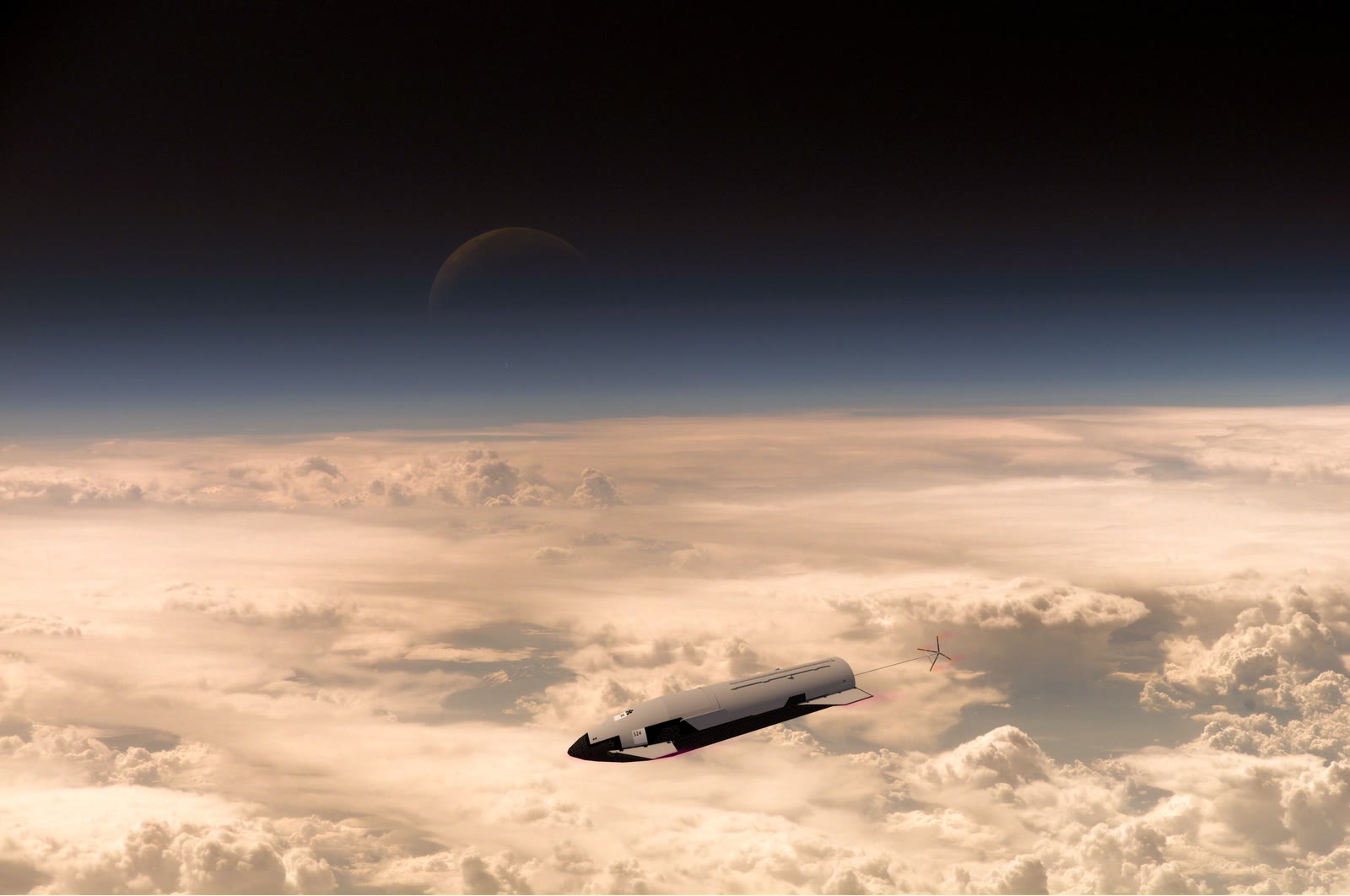
Second flight of Starship and Super Heavy V3 from Pad 2 at Starbase (liftoff 5:51 p.m. CT). Super Heavy lit all 33 Raptor 3 engines; completed high-thrust boostback with all 33 for the first time on a V3 booster, then hard splashdown in the Gulf after a partial landing-burn relight. Ship completed full-duration ascent on six Raptors, successfully deployed all 20 next-generation Starlink V3 satellites (first Starship flight to deploy real V3 hardware), established RF and laser links with every satellite and downloaded telemetry, reignited a single Raptor in space, flew a dynamic banking entry mimicking future Starbase return, then executed flip + landing burn and soft splashdown intact in the Indian Ocean — first critical views of an intact heatshield post-splashdown. Elon Musk stated that, pending data review, the next flight would attempt a tower catch of the ship.
Source: spacex.com/launches/starship-flight-13 (July 24, 2026) + @SpaceX; @elonmusk (July 25, 2026)
Independent educational fan project. Not affiliated with Space Exploration Technologies Corp. (SpaceX) or xAI Corp.